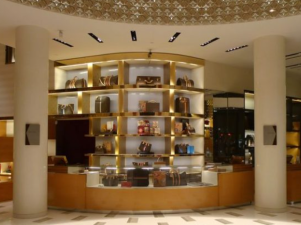
When luxury brands are mentioned, many people first think of exquisite handbags, haute couture, jewelry, watches, and those familiar brand names. However, what truly attracts consumers to luxury goods is not just their exorbitant prices, but the history, craftsmanship, culture, and brand value they embody. Even as global consumption trends continue to evolve, luxury brands maintain stable growth and continue to attract consumers of all ages. Entering 2026, more and more young people are paying attention to luxury brands; they not only buy the products but also hope to find choices that represent their aesthetics and lifestyle through the brand stories, design concepts, and cultural expressions.
At the same time, luxury brands are constantly adapting to the development of the new era. From traditional boutiques to digital shopping experiences; from classic handcrafted production to environmentally friendly materials and sustainable design, brands continuously innovate while always adhering to quality and craftsmanship. This is why many brands with a century-long history can still maintain competitiveness and occupy an important position in the global fashion industry. So, how exactly are luxury brands born? And why do they maintain such high popularity today? Let's explore their development history and the reasons for their success.
The Origins of Luxury Brands: From Artisan Workshops to International Brands
Many of the luxury brands we know today originated as small workshops serving nobility and royalty.
In 19th-century Europe, with economic development and the Industrial Revolution, the demand for high-quality leather goods, clothing, jewelry, and travel accessories increased. Some artisans with exquisite craftsmanship began customizing products for royalty, nobility, and wealthy families. They insisted on pure handcraftsmanship, demanding extremely high standards for materials and details, thus gradually building a strong reputation.
Over time, these workshops expanded, evolving into the globally renowned luxury brands we know today. Although production methods have changed, many brands still retain traditional craftsmanship, prioritizing "quality first" as their core brand value.
Why do luxury brands maintain their appeal for so long?
A Long Brand History
Compared to ordinary brands, many luxury brands have decades or even centuries of history. Rich brand stories and cultural accumulation allow consumers to experience a sense of historical heritage when purchasing their products.
Exquisite Craftsmanship
Luxury brands consistently emphasize craftsmanship, with each step—from leather selection and stitching to metal fittings—under strict control.
Many classic products are still largely handcrafted, ensuring high quality consistency and making them a key reason for long-term consumer appeal.
Unique Design Style
Each luxury brand has its own design language.
Some emphasize minimalist sophistication, others excel in classic elegance, and still others continuously integrate modern art and innovative design. It is this distinctive brand character that allows consumers to quickly establish brand recognition.
How Do Luxury Brands Maintain Popularity?
In recent years, luxury brands have continuously adjusted their marketing methods to build closer connections with younger consumers.
Celebrity Collaborations and Brand Ambassadors
More and more international actors, singers, and athletes are becoming brand ambassadors, expanding brand influence through advertising, red carpet appearances, and social media.
Digital Communication
Live fashion show broadcasts, short video platforms, and online new product launches allow global consumers to learn about the latest collections immediately.
Limited-Edition Product Strategy: Limited releases and collaborations continuously enhance brand awareness and increase the collectible value of some products.
Sustainability Concept: More and more brands are using environmentally friendly materials, reducing resource waste, and launching sustainable product lines to meet modern consumers' concerns about environmental protection and social responsibility.
Why Are Consumers Still Willing to Buy Luxury Goods?
For many consumers, buying luxury goods is no longer just a consumption behavior, but a lifestyle experience.
Some appreciate the history and culture behind the brand; some like the design and craftsmanship of the products; and others focus more on the durability and long-term value of the products. Compared to fast fashion, a well-made, classicly designed luxury item can often last for many years and even become a collectible that can be passed down through generations.
At the same time, luxury brands are constantly launching more youthful product lines, allowing more consumers to choose products that suit their budget and needs.
Future Development Trends of Luxury Brands
In the coming years, the development of luxury brands will place greater emphasis on both innovation and social responsibility.
On the one hand, digital technology will further improve the shopping experience, such as online virtual try-on, personalized customization, and smart membership services; on the other hand, sustainable development will continue to be an important direction for the industry, including environmentally friendly materials, recycling, and more transparent supply chain management.
Consumers will also pay more attention to the quality of the product itself, rather than just the brand logo. This means that brands with genuine design strength and craftsmanship advantages will maintain their long-term competitiveness.
Conclusion
Luxury brands continue to be loved by global consumers not only because of their high prices or high brand recognition, but also because they have built profound brand value through their long history, superior craftsmanship, unique designs, and continuous innovation. From traditional artisan workshops to international fashion brands, they have always adhered to quality and detail while constantly adapting to changing times. For today's consumers, luxury goods are not just commodities, but also a culture, an aesthetic, and a pursuit of a quality life. Therefore, no matter how fashion trends change, truly excellent luxury brands can maintain long-term appeal and continue to occupy an important position in the global market.