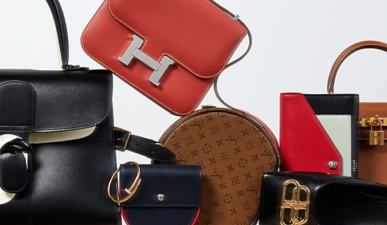
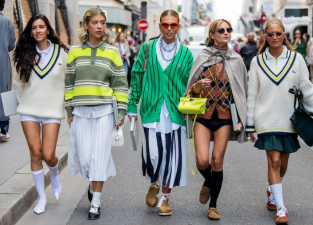
Luxury goods not only represent high-quality craftsmanship and design, but have also gradually become a lifestyle and cultural symbol. Entering 2026, the global luxury market remains vibrant, but consumers' focus has shifted significantly. Compared to simply pursuing brand logos in the past, more and more people now pay attention to the design philosophy behind the product, the brand's history, sustainable development, and its collectible value. Some classic brands are constantly launching innovative collections, collaborating with artists, celebrities, and popular IPs to revitalize traditional luxury brands; at the same time, young consumers are becoming a significant force in the luxury market, more willing to learn about new product trends through social media and combine fashion with personal expression.
Beyond clothing, bags, and jewelry, high-end watches, footwear, and lifestyle products are also gaining increasing attention. Whether it's century-old European brands or rapidly rising emerging luxury brands, they are constantly adjusting their marketing strategies to attract global consumers. From celebrity endorsements and live fashion shows to limited releases and digital experiences, luxury brands are connecting with consumers in unprecedented ways. Let's take a look at the most talked-about luxury brands and why they continue to dominate global fashion discussions.
A Roundup of Major Global Luxury Brands
① Hermès – Scarcity Creates Value
Hermès has long been considered one of the most representative brands in the luxury industry, renowned globally for its Birkin and Kelly handbags. The brand's commitment to limited production and exquisite craftsmanship ensures the long-term scarcity of its products, making them highly sought-after collectibles.
Representative Products:
- Birkin Bag
- Kelly Bag
- Scarves
- Leather Goods
② Chanel – Synonymous with Elegance and Classicism
Chanel maintains its immense popularity thanks to its classic quilted bags, the double C logo, and haute couture. In recent years, the brand has continuously launched modern designs while retaining classic elements, appealing to consumers of all ages.
Representative Products:
- Classic Flap Bag
- 22 Bag
- Tweed Jacket
- Fragrance Collection
③ Louis Vuitton – A Fashion Pioneer of Constant Innovation
Louis Vuitton not only boasts the classic Monogram collection but also actively collaborates with artists and designers, ensuring the brand remains fresh and innovative. In recent years, suitcases, handbags, and athleisure collections have garnered significant attention.
Representative Products:
- Neverfull
- Speedy
- Keepall
- Capucines
④ Dior – The Enduring Popularity of Refined Feminine Style
In recent years, Dior has maintained its global popularity with its Lady Dior, Book Tote, and ready-to-wear collections. The brand's continuous fusion of modern design and French elegance has made it a top choice for many fashion enthusiasts.
⑤ Prada, Miu Miu, and Loewe
These brands have become among the most discussed luxury brands among young consumers in recent years.
Prada: A representative of minimalist high-end style.
Miu Miu: Its preppy and retro styles remain popular.
Loewe: Its creative designs and leather craftsmanship are widely praised; the Puzzle collection maintains high popularity.
How do luxury brands maintain their popularity?
Today, luxury brands not only sell products but also cultivate brand culture.
① Celebrity and Brand Ambassador Marketing
More and more brands are inviting international celebrities, actors, singers, and athletes to serve as brand ambassadors, enhancing their brand influence through fashion weeks, advertising campaigns, and red carpet appearances.
② Limited Releases Creating a Sense of Scarcity
Limited-edition collections, collaborations, and regionally exclusive products consistently attract consumer attention and give some items higher collectible value.
③ Social Media Marketing
Platforms like Instagram, TikTok, and Xiaohongshu have become crucial channels for luxury brands to showcase new products. Brands use behind-the-scenes footage, short videos, and live-streaming events to establish more direct connections with younger consumers.
④ Sustainability Strategies
More and more luxury brands are adopting environmentally friendly materials, reducing carbon emissions, and launching sustainable product lines. Environmental awareness has become a vital component of brand competitiveness.
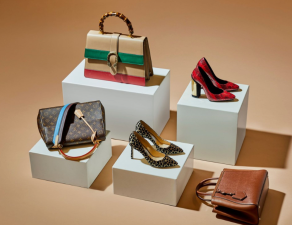
Most Popular Luxury Goods in 2026
Besides classic bags, the following product categories continue to attract significant attention:
Bags
Hermès Birkin
Chanel Classic Flap
Louis Vuitton Neverfull
Dior Book Tote
Loewe Puzzle
High-End Watches
Rolex Datejust
Cartier Tank
Omega Speedmaster
Patek Philippe Nautilus
Jewelry
Cartier Love Collection
Van Cleef & Arpels Alhambra Collection
Tiffany Lock Collection
Bulgari Serpenti Collection
Footwear
Chanel Slingback
Dior J'Adior
Prada Loafers
Miu Miu Ballet Flats
Currently Most Popular Brands Among High-End Consumers
Based on recent global market performance and consumer discussion, the brands currently attracting the most attention from high-end consumers include:
✔ Hermès – Outstanding in collectability and value retention.
✔ Chanel – Classic designs have long been popular.
✔ Louis Vuitton – Strong innovation capabilities, broad consumer appeal.
✔ Dior – Combining French elegance with modern design.
✔ Cartier – Consistently stable in the jewelry and watch market.
✔ Van Cleef & Arpels – A leading brand in high jewelry.
✔ Miu Miu – A popular brand among young consumers.
✔ Loewe – Highly recognized for its creative design and leather craftsmanship.
Summary
The luxury market in 2026 is no longer just about price and brand awareness; it emphasizes design, craftsmanship, cultural value, and brand story. From classic leather goods to high jewelry, from fashion to watches, consumers are increasingly concerned with whether products can be used for a long time, whether they have collectible value, and whether they fit their lifestyle. At the same time, digital marketing, celebrity collaborations, and sustainability have become important areas of brand competition. For consumers, choosing luxury goods is no longer just about following trends, but about finding a balance between classic design and personal style, truly reflecting their own fashion taste.