Beauty Tips
The Hottest Skincare Trends Right Now
Have you noticed that the skincare world has become increasingly sophisticated in recent years? From blindly following trends and buying popular products to now constantly talking about "ingredients" and "skin type matching," our skincare concepts are quietly evolving. Having just said goodbye to the pursuit of "powerful effects" in 2025, the skincare trend in 2026 will see another shift—no more blindly chasing new trends, but rather a more rational, precise, and long-term health-focused approach. Today, we'll break down the four most noteworthy skincare trends of 2026 to help you find your direction and avoid pitfalls.
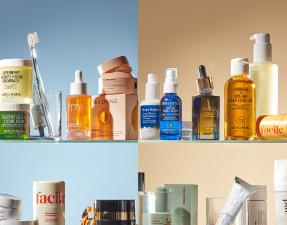
Barrier repair becomes the core, "gentle stabilization" replaces "powerful skincare
"I used to think that skincare had to be 'aggressive' to be effective, frequently using acids and layering high-concentration active ingredients, resulting in increasingly sensitive skin, with redness and stinging becoming the norm." This is a common skincare misconception, but this will completely change in 2026. Dermatologists generally predict that next year's core skincare will return to "skin barrier repair," abandoning aggressive exfoliation and complex multi-step processes, and instead pursuing gentle stabilization.
Why is skin barrier repair becoming paramount? Because after years of "ingredient-conscious" education, everyone finally understands: a healthy skin barrier is the foundation of all skincare. In 2026, bathroom counters will see simplified versions of skincare products with more than 10 steps. Gentle cleansers and lotions and creams containing repairing ingredients like ceramides and lipids will become standard. Whether you have dry, sensitive skin or oily, acne-prone skin, "not damaging the skin barrier" will be your top priority—after all, only with a healthy skin base can subsequent whitening and anti-aging ingredients be truly absorbed and effective.
Here's a reminder: next year, when choosing products, don't just look at "high concentration" and "strong efficacy." Prioritize products labeled "barrier-friendly" and "gentle formula," and avoid irritating ingredients like alcohol and fragrances. A simple and effective routine is more suitable for long-term adherence.
From "Age-Based" to "Segment-Based": Precise Skincare Upgrades
The traditional "age-based skincare" concept—"use anti-aging products at 25, and powerful anti-aging products at 35"—will be obsolete in 2026. Instead, there's a more precise "staged care" approach—moving beyond just age to consider skin's physiological state, endocrine changes, living environment, and even sleep habits to create customized skincare plans.
For example, two 25-year-olds might have different skin types: one frequently stays up late and experiences high stress, while the other might have dull skin and fine lines, requiring a focus on anti-oxidation and collagen repair; the other might only need basic moisturizing and sun protection. Sensitive skin will be further subdivided into "dry sensitive" and "oily sensitive," leading to more targeted product development—brands like Bobon and Daiyoujia have already begun this strategy, and Osmun has also differentiated its whitening products based on different skin types.
This precision upgrade reflects consumers' evolving demand for "personalization." In 2026, before buying skincare products, you might undergo a detailed skin assessment, considering your lifestyle habits to choose products truly suitable for you, rather than blindly following age labels.
Technology Empowers Skincare: AI + Professional Diagnosis Becomes Standard
"AI skin analysis" may be familiar to many, but in 2026, it will transform from a gimmick into a truly practical skincare tool. As the technology matures, AI skin analysis will no longer just look at the surface of the skin; it can delve deeper to detect skin moisture content, collagen density, and even potential sensitivity risks. Combined with your diet and lifestyle data, it will generate precise skincare plans.
More importantly, AI will also be integrated with professional dermatologists, forming a closed loop of "online assessment + offline diagnosis." For example, if AI analysis reveals severe collagen loss, the system will recommend suitable ingredients and help you schedule a professional consultation with a nearby doctor, preventing you from blindly following trends and buying anti-aging products. This "technology + professional" model will shift skincare from "relying on intuition" to "relying on data," significantly reducing the cost of trial and error.
Besides AI skin analysis, anti-aging technology will also see new breakthroughs. For example, MIT's "nano-collagen scaffold" technology allows growth factors to work continuously for 72 hours, reducing wrinkles even while you sleep; there are also enzymes that break down advanced glycation end products (AGEs), with a clearance efficiency 17 times higher than older ingredients—a lifesaver for those with a sweet tooth. These cutting-edge technologies will gradually be incorporated into products, making anti-aging more efficient and gentler.
Nourishing from Within: Skincare is More Than Just "Applying Products"
Skincare in 2026 will evolve from "focusing only on the skin's surface" to "focusing on overall health"—the holistic skincare philosophy of "nourishing from within." The skin will no longer be seen as an isolated organ, but rather as a "mirror" of internal health. Nutrition, gut health, sleep quality, and stress management will all be included in the scope of skincare.
The most obvious change is that internal skincare will become increasingly popular, but it will no longer be limited to single collagen peptides. In 2026, oral supplements will place greater emphasis on synergistic effects—for example, collagen tablets containing PQQ and spermidine can "recharge" skin cells and enhance collagen synthesis efficiency; there will also be peptide drinks that regulate circadian rhythms, specifically designed for those who stay up late, helping the skin restore its metabolic rhythm.
Furthermore, oral and topical products will be combined: for instance, using topical anti-glycation serums while simultaneously taking oral supplements to eliminate AGEs; using topical collagen repair creams in conjunction with oral collagen peptides to double the efficacy. This "internal and external nourishment" concept will transform skincare into a healthier lifestyle, rather than just applying products morning and night.
2026 Skincare Summary: Returning to Rationality, Focusing on Long-Term Health
In essence, the core of the four major trends in 2026 is a "return to rationality"—saying goodbye to blindly following trends and the harmful effects of harsh products, and instead pursuing gentle, precise, and long-term skin health. Whether it's barrier repair, tiered skincare, technological empowerment, or holistic nourishment from within, it all essentially represents an upgrade in our understanding of "skincare": skincare isn't about pursuing "instant perfection," but about maintaining long-term skin health.
Finally, here's a little advice: understanding these trends in advance isn't about blindly buying new products, but about building a more scientific skincare philosophy. In 2026, the smartest skincare choice is to buy fewer useless products and spend your money on ingredients and professional services that truly suit your skin type. Are you ready for this skincare upgrade?