Beauty Tips
Hair Care Tips for Stronger, Healthier Hair
Have you ever been troubled by dry, frizzy hair? Even though you wash and condition your hair daily, it still breaks easily, splits, and even falls out in clumps. Actually, hair health isn't just about appearance; it's a mirror of your internal health. Achieving smooth, shiny hair doesn't require expensive products or complicated cosmetic procedures. Truly effective changes often lie in the details of daily life. By consistently following some simple yet scientific methods, you can improve hair quality from the root, making it stronger and shinier.
Providing a Nutritional Foundation for Hair Through Diet
Supplementing with High-Quality Protein
The main component of hair is keratin, which is essentially protein. If protein intake is insufficient over a long period, hair will become thin, brittle, and grow slowly. It's recommended to consume more foods rich in high-quality protein, such as eggs, fish, lean meat, and soy products, to continuously supply energy to the hair follicles.
Increase Vitamin and Mineral Intake
B vitamins (especially biotin B7) are crucial for hair health, promoting scalp blood circulation and enhancing hair follicle vitality. Meanwhile, trace elements such as iron, zinc, and selenium also participate in the hair growth cycle. Eating more leafy green vegetables, nuts, whole grains, and animal liver helps prevent hair loss caused by nutritional deficiencies.
Control High-Fat and High-Sugar Diets
Fried foods, desserts, and carbonated drinks, among other high-sugar and high-fat foods, stimulate sebaceous gland secretion, leading to excessive scalp oil production, which can clog hair follicles and cause seborrheic alopecia. Reducing the intake of these foods not only improves hair quality but also enhances overall hair health.
Optimize Hair Care Habits to Reduce External Damage
Choose a Shampoo Product Suitable for Your Scalp
There are many types of shampoos on the market; choose one according to your scalp type. Oily scalps can use oil-controlling and refreshing shampoos, while dry scalps are better suited to moisturizing and repairing shampoos. 1. Avoid using products containing irritating ingredients such as sulfates and silicone oil, as long-term use can damage the scalp barrier.
Master the correct frequency and method of shampooing.
Generally, it is recommended to wash your hair every 2-3 days. Over-cleaning can disrupt the scalp's natural oil balance. When shampooing, gently massage with your fingertips; avoid scratching with your nails to prevent scalp injury and inflammation. The water temperature should be around 38℃; excessively hot water can damage the hair cuticles.
Use conditioner and hair masks appropriately.
Conditioner should only be applied from the mid-lengths to the ends of the hair, avoiding contact with the scalp to prevent clogged pores. Use a deep-repair hair mask 1-2 times a week to effectively repair damaged hair and enhance its elasticity and shine.
Improve your lifestyle for hair health from the inside out.
Ensure sufficient sleep.
Staying up late can lead to endocrine disorders, affecting the normal metabolic cycle of hair follicles and exacerbating hair loss. Adults should ensure 7-8 hours of high-quality sleep daily to help the body complete self-repair and create a favorable environment for hair growth. 2. Learn to reduce stress and relax.
Prolonged high stress levels can excite the sympathetic nervous system, triggering telogen effluvium. Relieving stress and maintaining emotional stability through exercise, meditation, and listening to music is highly beneficial for maintaining healthy hair.
Avoid frequent perming, dyeing, and high-temperature styling.
Chemicals and high-temperature tools (such as curling irons and straighteners) can cause irreversible damage to hair structure, leading to protein loss and raised cuticles. Minimize the frequency of perming and dyeing. If styling is necessary, remember to use a heat protectant spray beforehand and perform regular deep conditioning treatments.
Persist in scalp massage to promote blood circulation.
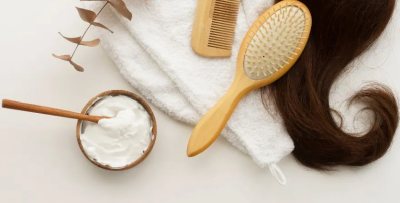
Spending 5 minutes daily massaging your scalp not only relaxes the nerves but also effectively promotes local blood circulation and enhances nutrient supply to hair follicles. Use a horn comb or your fingers to gently comb from front to back and from the sides to the top of the head, about 100 times each time. Consistent practice can significantly improve thinning hair.
Summary
Healthy hair is not something that happens overnight; it reflects your long-term lifestyle and self-management abilities. Instead of blindly pursuing quick-fix products, it's better to start with fundamental aspects like diet, sleep, and mindset. Integrate these seemingly insignificant methods into your daily life and persevere, and you'll discover that true beauty is always the result of time and consistent effort.